The Odyssey Review: A Near Masterpiece by Christopher Nolan
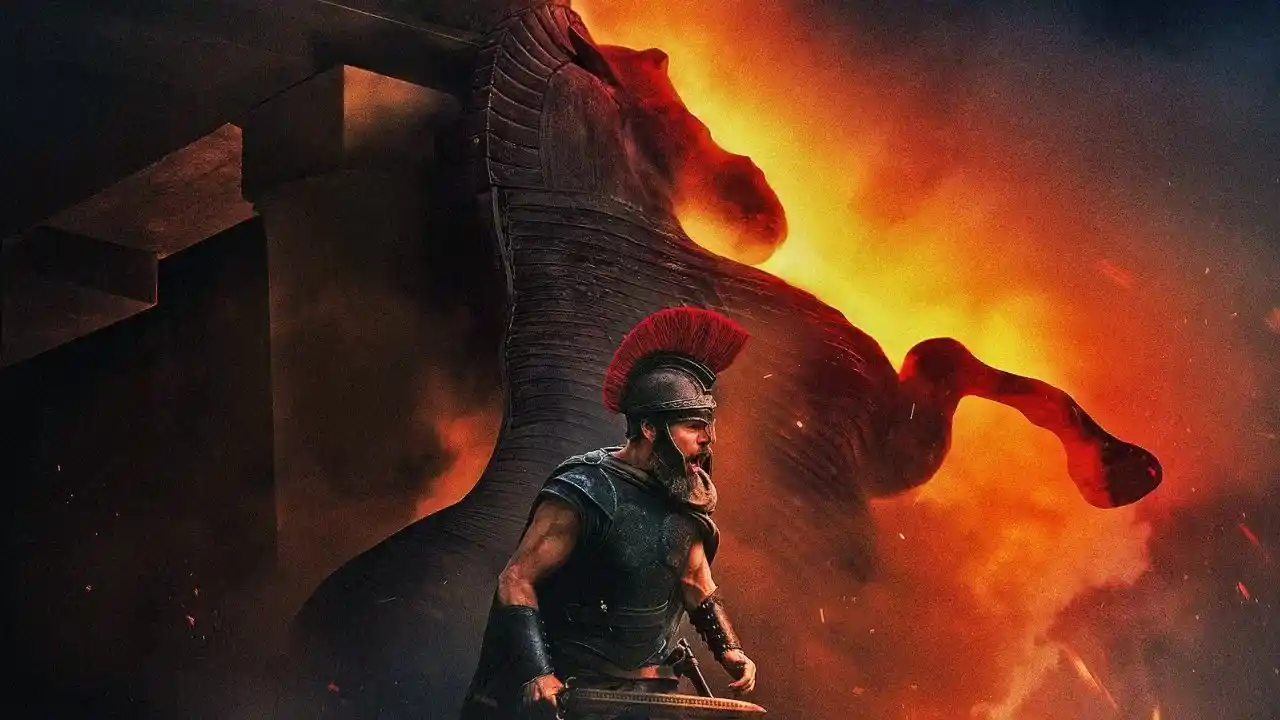
Homer’s epic poem is, in many ways, the template for modern storytelling. As Christopher Nolan has noted on the film’s press tour, he views the text as a fundamental pillar for his own narrative sensibility. The structural fragmentation and erratic, desperate journey of Odysseus reverberates through nearly every entry in the British director’s filmography, from Memento to Interstellar. In that sense, The Odyssey is one of Nolan’s most deeply personal projects. As he reinterprets the voyage of the king of Ithaca, he is still fiercely devoted to his signature thematic anchors. But as with his take on Oppenheimer, Nolan manages to step outside his comfort zone here, pushing into genre territory that shows a filmmaker working at the absolute peak of his powers.
The Odyssey runs a staggering three hours, requiring the patience of a major theatrical event. It’s a necessary run-time to adapt the ultimate non-linear hero’s journey, a story that spans two decades. Nolan pays homage to the architecture of the source material, breaking the narrative down strictly into a traditional three-act structure.
The film follows the roadmap of Homer’s text in three distinct timelines: the Telemachus, in which Odysseus’s son (Tom Holland) searches a fractured Greece for his father; the grueling, decade-long voyage of the protagonist; and the bloody homecoming to Ithaca to confront the suitors. In this context, Nolan further inserts time jumps (scenes from the Trojan War) that directly contribute to the emotional stakes of the main plot.
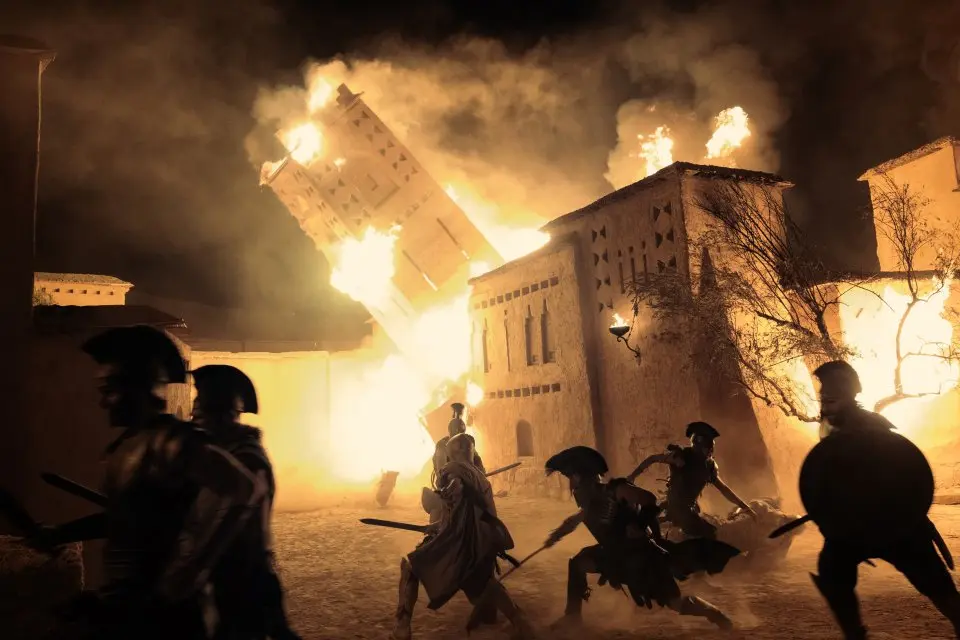
The end result is a fascinating counter-epic. The production is huge in physical scale, but Nolan gives us a screenplay full of melancholy, esotericism and psychological horror. He deliberately avoids the easy win and chooses to dive into the profound psychological cost of the journey. And Matt Damon grounds the film with a deeply internalized performance. Nolan adopts a classical fantasy aesthetic that beautifully walks the line between historical realism and mythic magic. With such a generous canvas for the narrative, there are times when narrative threads are lost from focus, and some secondary characters are a little under-served.
The sprawling ensemble cast makes an impression despite limited screen time. Jon Bernthal’s Menelaus might lean a bit too heavily on the actor’s familiar, gruff persona, and Lupita Nyong’o’s much-anticipated Helen feels a bit under-realized. But both characters also serve a larger, subtly interwoven thematic subtext of the cost of war on women. Zendaya surprises in a pivotal role among the ensemble, but it is Anne Hathaway’s Penelope who takes the emotional weight of the film, and she delivers a towering, nuanced performance.
The Odyssey is visually monumental, demanding and sometimes volatile. The story is intimate, but the scope is panoramic. This is a movie made for the biggest screen possible, contrasting the fragility of man against a huge, terrifyingly unexplored world shifting between real historical landscapes and dreamlike, mythological vistas.
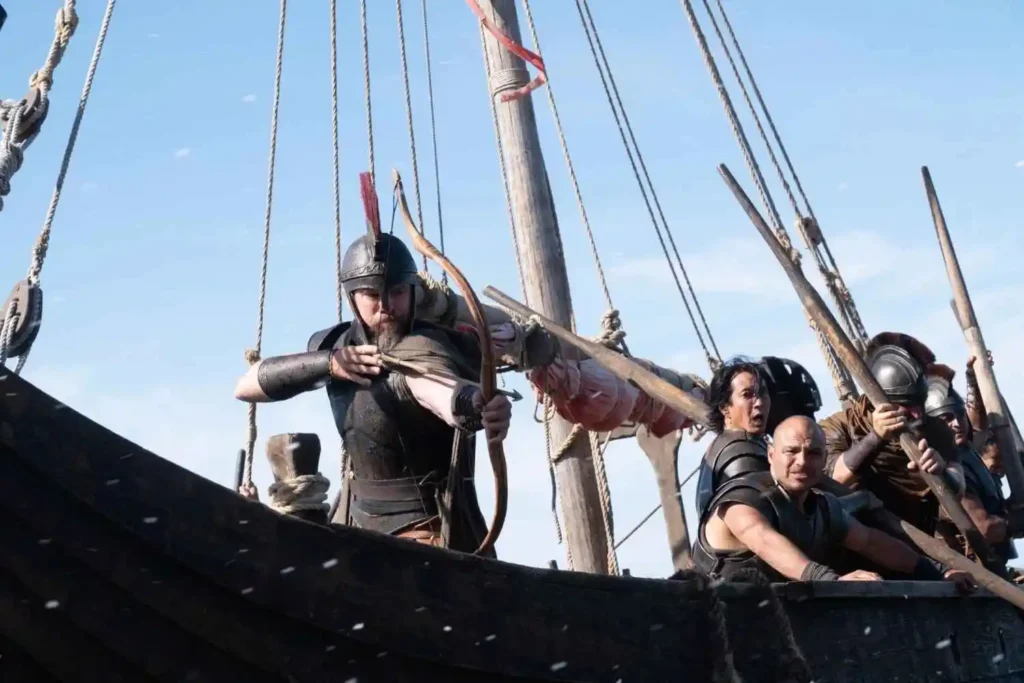
If Nolan’s perspective on the characters is classic, his visual language is anything but. The director of Inception knows how to toy with the border between dream and reality, but here he ventures into completely new generic territory. The Odyssey is a gritty, desaturated film that plunges into psychological horror during its most harrowing moments. This is the strength of the adaptation: it looks and feels completely different from any previous interpretation of the text, and different from anything Nolan has directed before.
By demonstrating such profound respect for the source material, Nolan earns the right to take bold creative risks. Not all the pieces fall in place perfectly. However, the third act, in trying to bridge gritty realism and ancient myth, falls into a chaotic, rushed resolution. But these flaws ultimately make The Odyssey a compellingly imperfect piece of cinema — a near-masterpiece that fascinates precisely because of its messy, experimental nature. It’s a striking, visually arresting film that nails another vital chapter in contemporary cinema for its director.
The Odyssey is a huge contradiction: a huge blockbuster that’s also an intimate character study. It’s a clear evolution for Nolan as he pays homage to the literature of old while expanding his own cinematic vocabulary. He blends historical realism, dark fantasy and horror into a two-thousand-year-old text to create a story that speaks directly to modern anxieties. It’s not a perfect masterpiece, with a few structural missteps, but the ambition on display makes those flaws completely worth it.