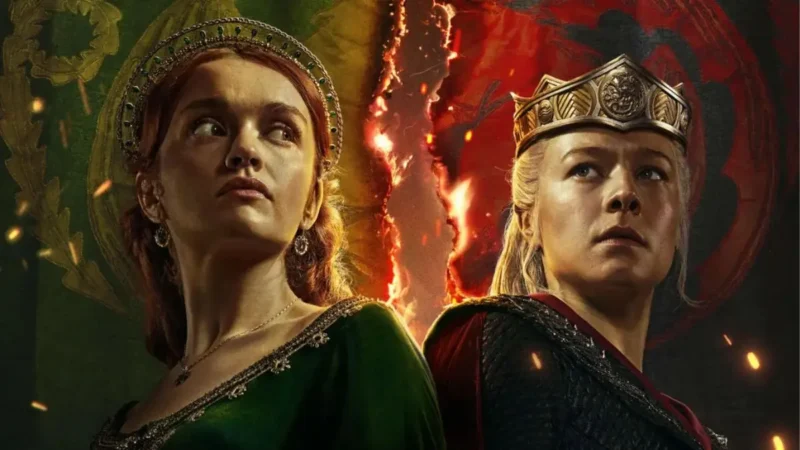
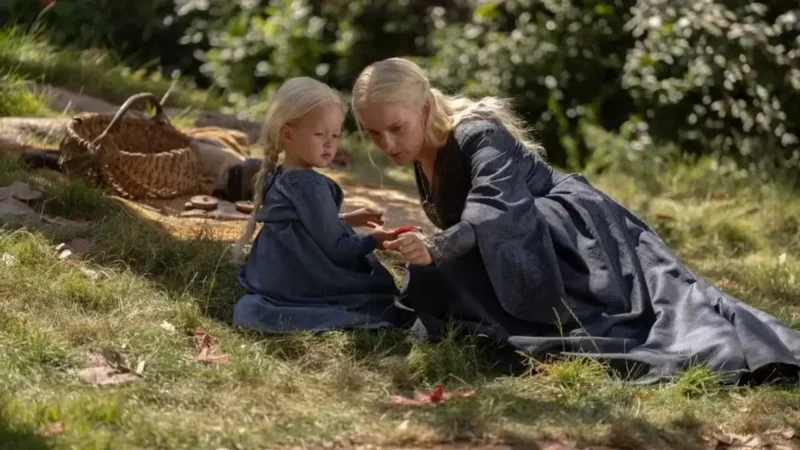
House of the Dragon Season 3, Episode 6 Delivers a Masterclass in Momentum—And Leaves Us With One Unignorable Question
At a certain point, a sprawling fantasy adaptation must either make good on its legacy or be crushed by the very mythology it built up. The mid-season turn is usually that moment of truth. House of the Dragon proved as much with its sixth episode, coming back with a force that put any lingering doubts from the more measured, slow-burn fifth installment to rest and served as a timely reminder of what makes the Dance of the Dragons so riveting on screen.
Episode 6 does not tarry with the kind of exposition one might have expected. Instead it has its characters wade straight into the fires of war, setting a tone of unrelenting urgency from the get-go. It is a fine line the narrative walks between the grander geopolitical game of chess and a more intimate form of psychological accounting. Yet for all the battlefield smoke and tactical maneuvering, the episode’s true achievement lies in the larger questions it poses on Westerosian power and prophecy, ones that linger well after the credits have run.
The Expanding Mythology of Harrenhal and Alys Rivers
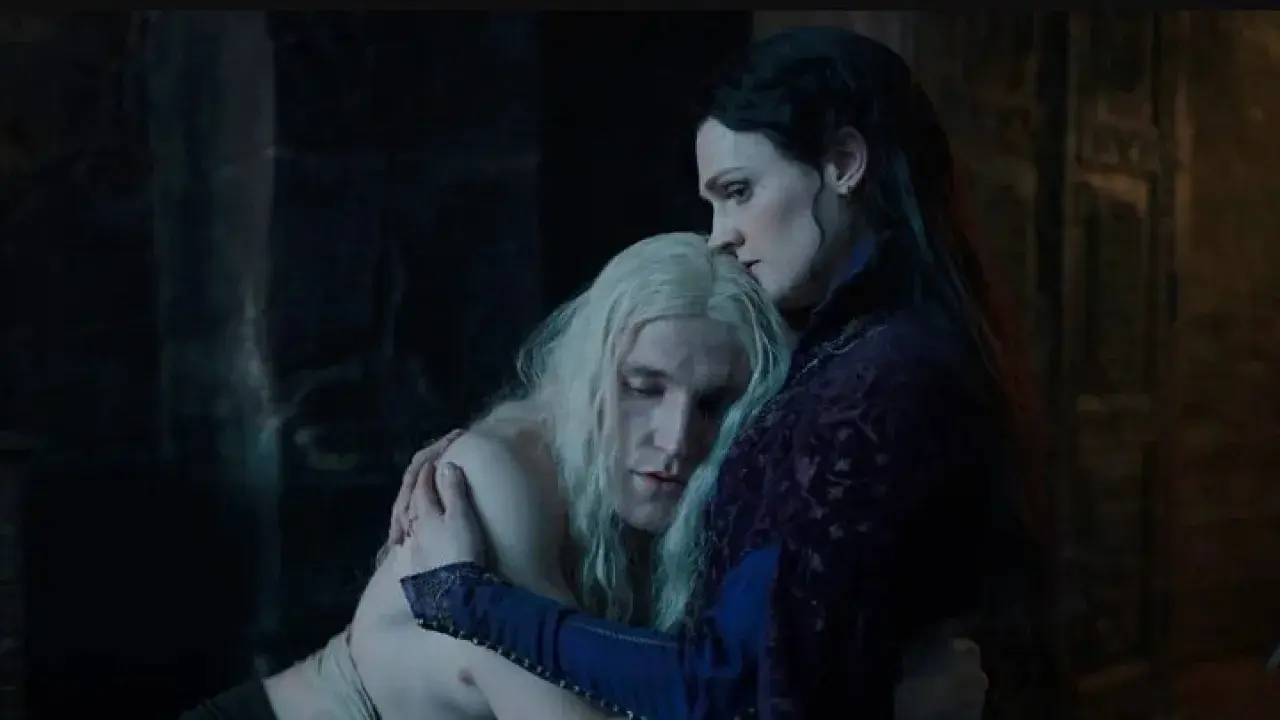
The episode makes of Harrenhal’s brooding corridors a central stage for the contest of wills between Daemon Targaryen and Alys Rivers, a confrontation that is as spellbinding as it is unsettling. The show has always been keen to exploit the enigmatic quality of Alys and her hold on Daemon, which is of a far deeper order than simple counsel. With her probing into old dragon lore and bloodlines, not to mention the visions she puts before him, the story compels both the viewer and Daemon to wonder where political ends are dictated by supernatural means. There is a gritty authenticity to the way the series handles its magic; it is never a parlor trick but a burden on the sanity of those involved.
The Brutal Realities of War and the Fate of Ser Criston Cole
In the Riverlands the civil war is anything but theoretical. The Butcher’s Ball is rendered in all its harrowing detail as the Kingmaker’s campaign comes to an end in an ambush that is as grim as it was inevitable. Fabien Frankel gives the performance of his career in these final scenes, peeling back the armor of Cole to expose a man at the mercy of his own poor decisions and inflexible vows. It is a stark illustration of the succession war: on a field made desolate by dragons, titles and old loyalties are of no consequence.
Strategic Fractures Within Team Black
A different kind of danger is brewing in the power centers of King’s Landing and Dragonstone. Rhaenyra is left to contend with a logistical quagmire of recalcitrant houses and new dragonriders while the rift with her brother widens. The drama is heightened by the chasm opening up between her calculated diplomacy and the erratic path Daemon has cut for himself in the Riverlands. In separating the two heads of the Black faction, the writers have laid on the dramatic irony thick; each step they take to gain ground only serves to undermine their position, putting them on a collision course for the rest of the season.
The True Weight of the Crown
What makes House of the Dragon Season 3 so compelling is its unwillingness to put forward convenient heroes or tie things up in a neat bow. Episode 6 is a case in point; it is an outstanding installment for the way it drives home the fact that in Westeros one does not secure a tactical win without a price in blood and guilt, and a soul left to be ground down by it. Once the dust has cleared, you are left with the sense that no one is going to come away from this unscathed.