Game of Thrones: Martin’s Explanation Changes the Way We See the Red Wedding
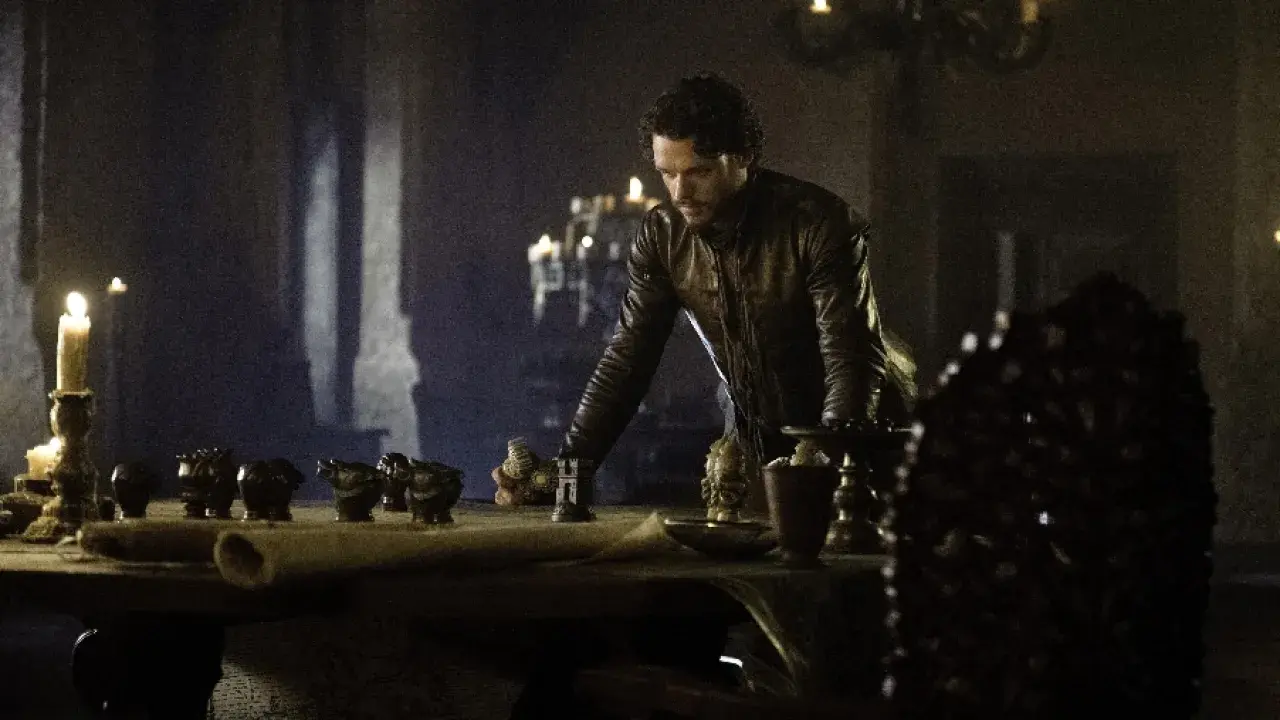
The savage murders of Ned and Robb Stark shattered storytelling conventions that had been in place for decades, and made “Game of Thrones” a definitive thesis on political realism and unintended consequences.
When Game of Thrones first aired on HBO, mainstream audiences had no idea about the uncompromising narrative landscape that would soon redefine modern television. The high-fantasy epic, adapted from George R.R. Martin’s A Song of Ice and Fire series, methodically shed old small-screen formulas for a raw, deeply volatile political realism.
After the shocking death of Sean Bean’s Ned Stark in the first season of the show, viewers’ immediate reaction was to fall back on a familiar Hollywood script: the idea that his eldest son, Robb (Richard Madden), would go on a quest for vengeance and ultimately avenge his father’s death.
Instead, the show delivered the Red Wedding, a narrative coup de grâce that permanently shattered normal audience expectations. The slaughter also claimed the young King in the North, his mother, Catelyn Stark (Michelle Fairley) and his pregnant wife, Talisa (Oona Chaplin), destroying the family’s immediate line of succession.
As far as the mythos is concerned, Martin has always argued the necessity of narrative unpredictability.
“I killed Ned because everyone thinks, ‘He’s the hero and, sure, he’s going to get into trouble, but then somehow he’s going to get out of it,’” Martin told Entertainment Weekly in 2011 about his subversion of the genre. “Then you know the rest: The oldest boy will rebel and avenge his father. Everyone will think it. So the next thing I had to do was kill Robb.”
While television critics have praised the Red Wedding for its sheer creative audacity, it also incited backlash for its harrowing bleakness, driving a segment of the fanbase away from the series altogether.
“People read books for different reasons. I respect them,” Martin said of viewers who rejected the tragedy. “But that’s not the kind of fiction I write, mostly. Certainly not what A Song of Ice and Fire is. I try to get more realistic about what life really is.”
For Martin, the engine at the heart of his fictional universe runs on the same volatile mechanics as real history. “Real kings had real problems to deal with. Very difficult decisions had to be made,” the author told Rolling Stone. “Sometimes what seemed like a good decision would come back and bite you in the a*s; it was the law of unintended consequences.”
The collapse of the Stark dynasty was, in the end, not the product of manufactured melodrama but of internal logic. Just as Ned’s execution was the result of a series of stiff, politically compromised decisions in the first season, Robb’s death was the culmination of a growing cascade of strategic and diplomatic mistakes. Thirteen years later, the sequence still serves as a masterclass in narrative stakes — and a reminder that no one is safe in the game of thrones.
Source: TV Line