Did ‘House of the Dragon’ Just Drop a Clue to the Saga’s Deepest Mythological Mystery?
As the show Game of Thrones ended its historic television run, it left a trail of lingering lore questions in its wake. As fans wait for the final books of George R.R. Martin’s A Song of Ice and Fire series, the margins of the mythology are being fleshed out by an expanding slate of spin-offs from HBO. House of the Dragon has been especially intent on closing the gap between eras, expanding the history of Westeros and sharpening the legends of Aegon the Conqueror.
But one of the biggest existential questions about the franchise has been largely ignored: Where do dragons really come from? Who or what created them? Why do they have an exclusive, symbiotic relationship with House Targaryen?
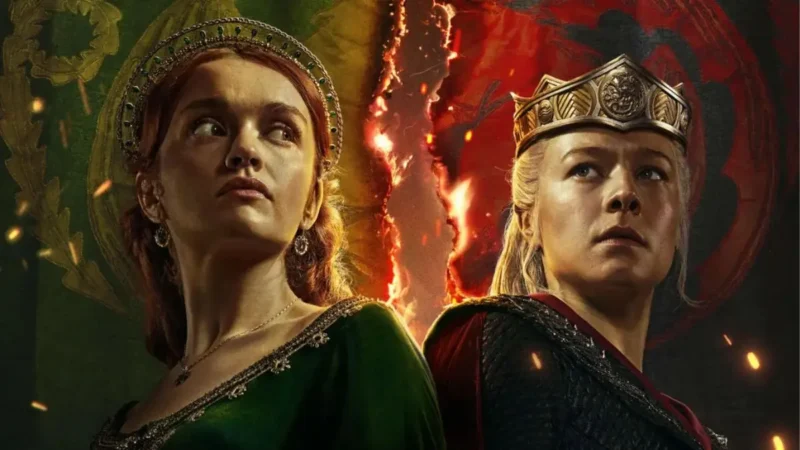
A recent episode of House of the Dragon Season 3 dropped a massive hint that’s easily missed amidst the political posturing. The pivotal moment arrives during Rhaenyra Targaryen’s fraught meeting with the High Septon in King’s Landing. When the religious leader refuses to acknowledge her claim, saying he doesn’t know whether King Aegon II is really dead, Rhaenyra says she has the gods on her side. The High Septon snaps back that her gods “have nothing to do with dragons,” calling the creatures “born from profane magic, darkness, pride, and the lust for power.”
On the surface, this is just regular religious antagonism towards the Targaryen family, but his speech fits perfectly with a popular, sinister theory that is very much proven in Martin’s writing.
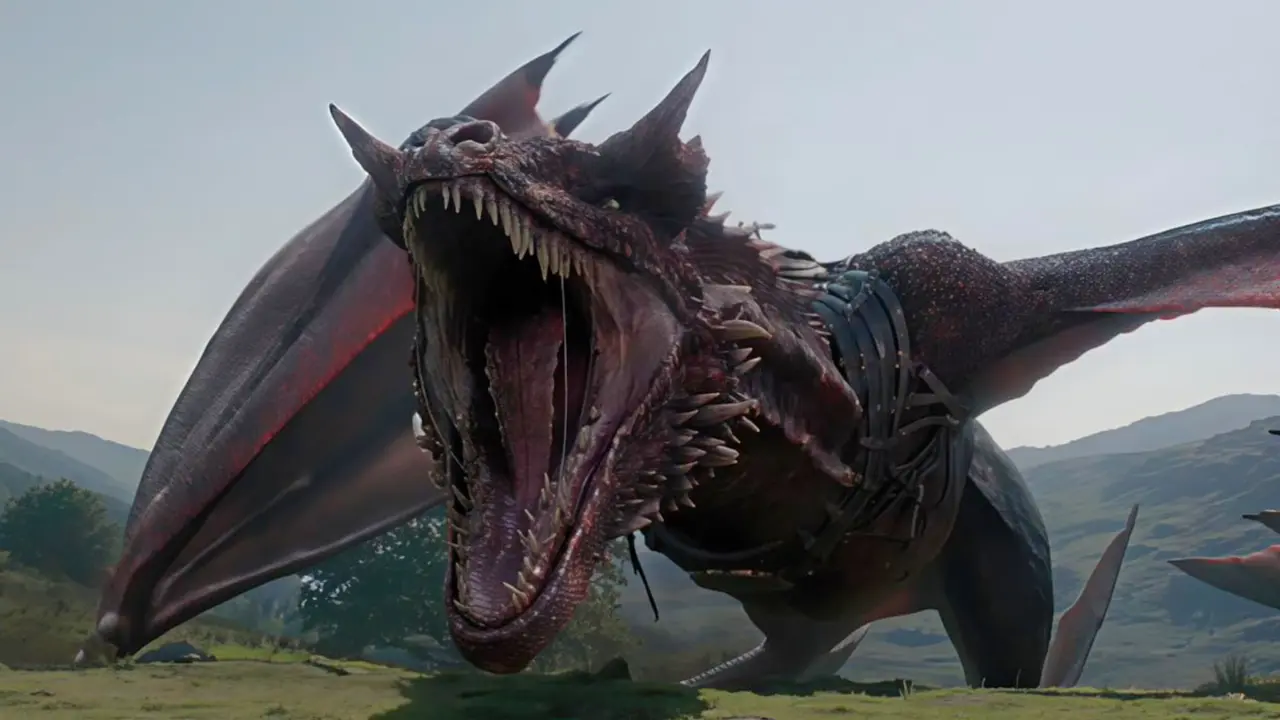
While Martin has never definitively explained how dragons came into being, he has filled his world with competing historical hypotheses. The most infamous is that of Septon Barth, legendary Hand of King Jaehaerys the Conciliator. Barth wrote that dragons were not natural beasts, but rather constructs, weapons forged through blood magic by the sorcerers of Old Valyria. Others suggest that the Valyrians simply stumbled upon the creatures nesting within the volcanic Fourteen Flames, but Barth’s track record can’t be ignored; he famously foretold the end of House Targaryen, and parsed the architecture of the Prince That Was Promised prophecy.
The theory gains further narrative weight when one considers what is to come for Daenerys Targaryen, who eventually hatches her three fossilized eggs through the blood sacrifice and magic of Mirri Maz Duur.
By inserting this particular theological critique into Season 3, the showrunners have officially reopened one of the most tantalizing mysteries of the universe. If House of the Dragon doesn’t completely solve the origin of the dragons amid the raging civil war, the prize might go to HBO’s much-hyped Aegon’s Conquest prequel series, now in development.
Source: Comic Book