When the Law Wears a Mask: Unpacking the Nightmare of Netflix’s ‘A Toxic Love Story’
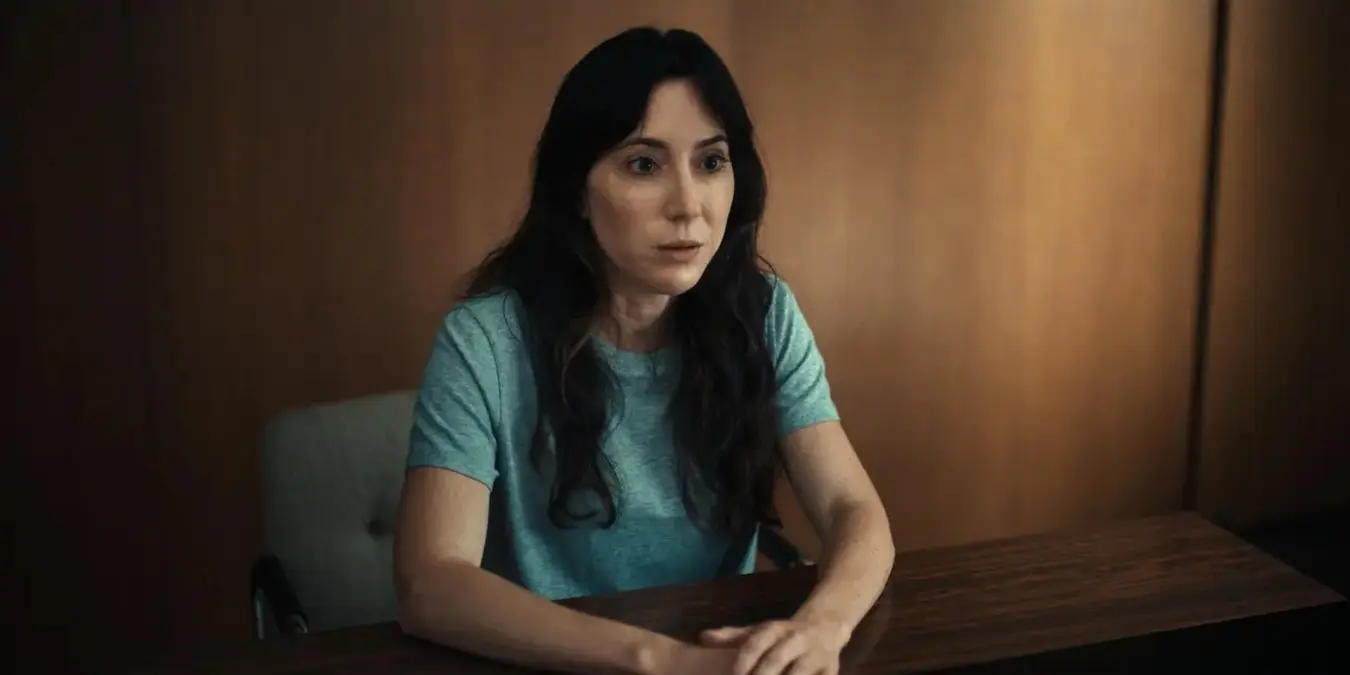
One does not have to look far in true-crime for the shock value of a documentary that has combed through old files to find some suburban horror or a con too good to be true. Yet there is something in the psychological horror of Netflix’s new offering, A Toxic Love Story, that puts most recent titles to shame.
Under the direction of Alexandra Lacey, the film lays bare the infamous Anaheim case, an 88-day long miscarriage of justice in which an innocent graduate student was made out to be a villainous mastermind by the national press, all while those truly responsible for the crime put on an act of tears and hid behind their badges.
The Anatomy of a Frame-Job
Take June 2016, when Michelle Hadley was cuffed for felony stalking, criminal threats and attempted rape. The local police and the press had a story they could work with: a vengeful ex-girlfriend, unhinged and on a warpath of psychological terror against deputy U.S. Marshal Ian Diaz and his young wife, Angela. The evidence seemed to bear it out. There were hundreds of odd, religiously tinged emails from one “Lilithisruth” (named for the demoness who would not bow to Adam) and even fake Craigslist postings luring strangers to the couple’s condo for a mock assault. For three months Hadley was locked up on a million-dollar bond, the talk of Orange County as its most dangerous woman, with a life sentence looming.
But Lacey’s documentary methodically shows how much of this was a monstrous fiction of Diaz and Connell’s own making.
It did not take any genius on the part of the police to see the house of cards come tumbling down; it was an internal affair. Forensic work on government hardware showed that Diaz, with his intimate knowledge of federal tools and digital trails, had been the one pulling the strings of the cyberstalking operation to settle property disputes and run over his former fiancée. His wife, Angela, was no less complicit, having forged sonograms for twins that were never born and faked a stage-four cancer to elicit sympathy.
The Weaponization of Privilege and Institutional Trust
There is a particular harrowing quality to A Toxic Love Story in the way it deconstructs trust in the system. Put on a federal badge and the presumption of innocence is given freely, by the public and by colleagues in law enforcement who are only too ready to go along with a convenient story. Diaz knew the blind spots of the system well enough to short-circuit any skepticism a local investigator might have. When he made his claims, they were taken at face value because he was one of them. Hadley’s alibis and protests were of no consequence against the authority of a U.S. Marshal’s uniform.
The film puts you in the suffocating position of Hadley, whose every grievance and digital exchange was co-opted by the authorities to make of her a predatory sociopath. It is a lesson in how efficiently a frame-job can be engineered by someone who knows where the levers of power are.
Systemic Blind Spots and Surviving the System
Most true-crime will rest on its sensational headlines, but this is better than that. Lacey focuses on the systemic failings that let an active federal agent so easily manipulate the Anaheim Police Department. Hadley’s civil suit against the department brought to light what is often the case: domestic abuse survivors are not believed and the first available scapegoat is rounded up without proper vetting. Her ordeal, from domestic control to 88 days in a cell, is a warning of what unchecked authority can do. In an age where streaming services are awash in these stories, A Toxic Love Story is a sobering reminder that the real monsters are not supernatural, but those who can pervert the institutions meant to keep us safe.