Christopher Nolan against Artificial Intelligence: ‘The idea of replacing people makes no sense’
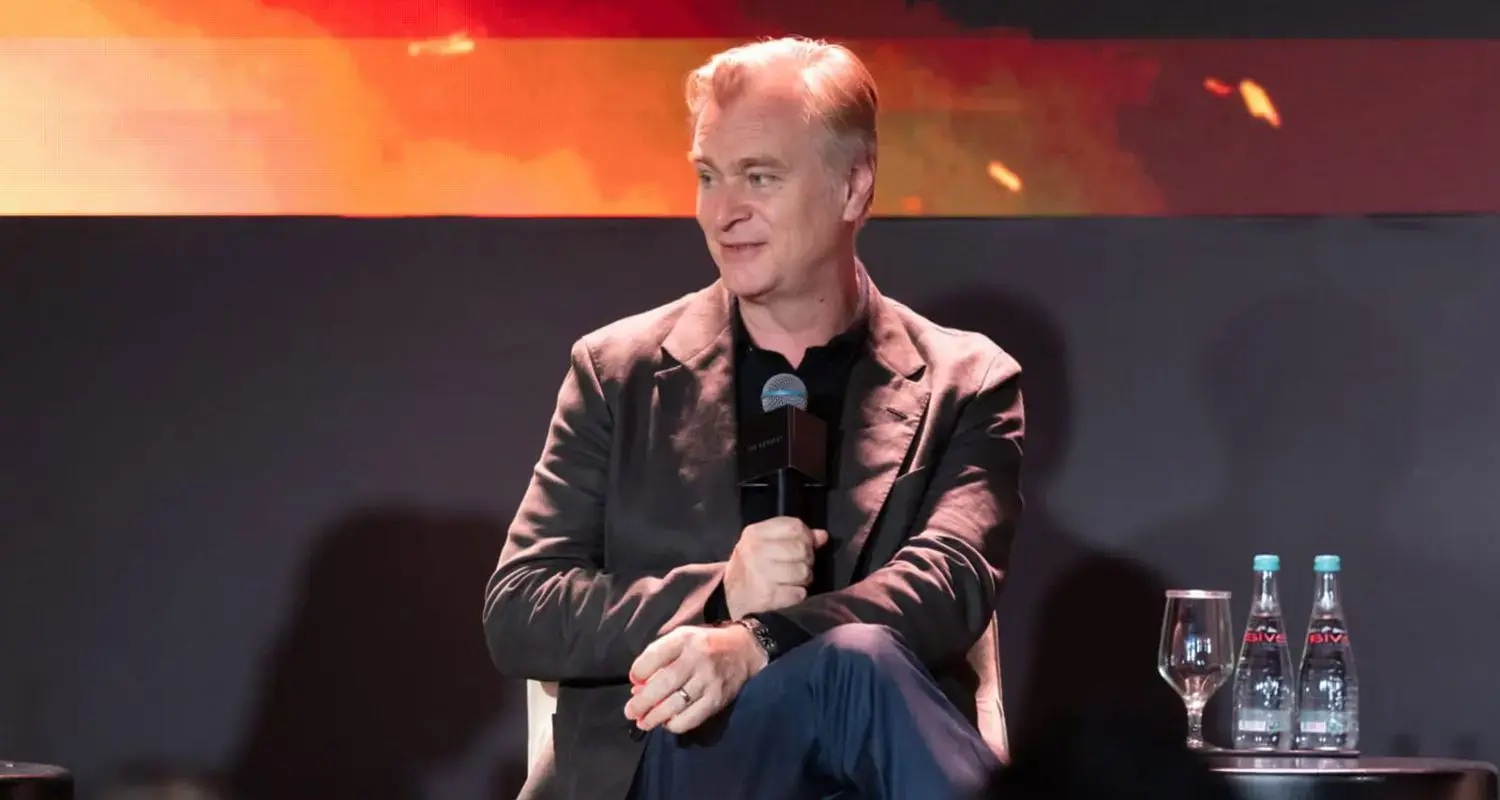
The Oscar-winning director links nuclear anxiety with algorithmic anxiety, and dismisses the threat of automated storytelling ahead of his $250 million mythological tentpole.
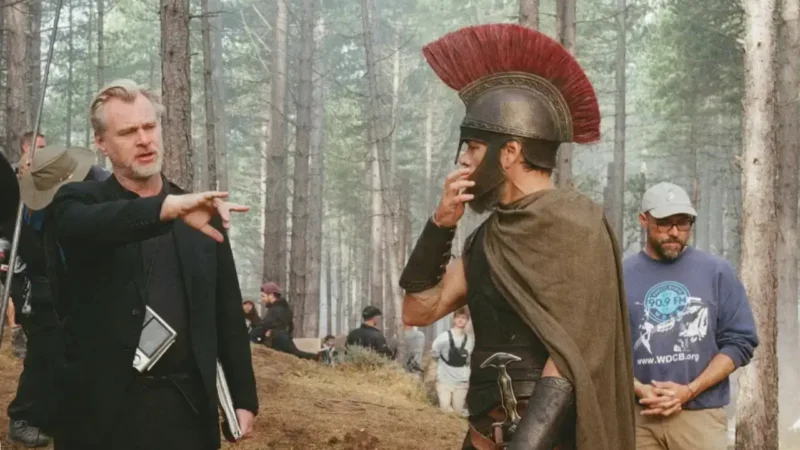
Christopher Nolan is currently on the global press tour for The Odyssey, his much-anticipated $250 million mythological epic that’s set to hit theaters at the end of the month. During the usual junket circuit for his mammoth take on Homer’s classic poem, the Oscar-winning filmmaker took a moment to address Hollywood’s most pressing existential crisis: the relentless push for generative Artificial Intelligence.
He acknowledges that artificial intelligence can be a useful technical tool as a baseline, but the British auteur is fiercely protective of the human element. For a director whose whole career has been defined by an unwavering dedication to practical effects, celluloid, and in-camera realism, human touch is not simply a preference; it is non-negotiable, even as studios race to integrate automated tech into their production pipelines.
Tool vs. Replacement: Audiences Are Rejecting “AI Slop”
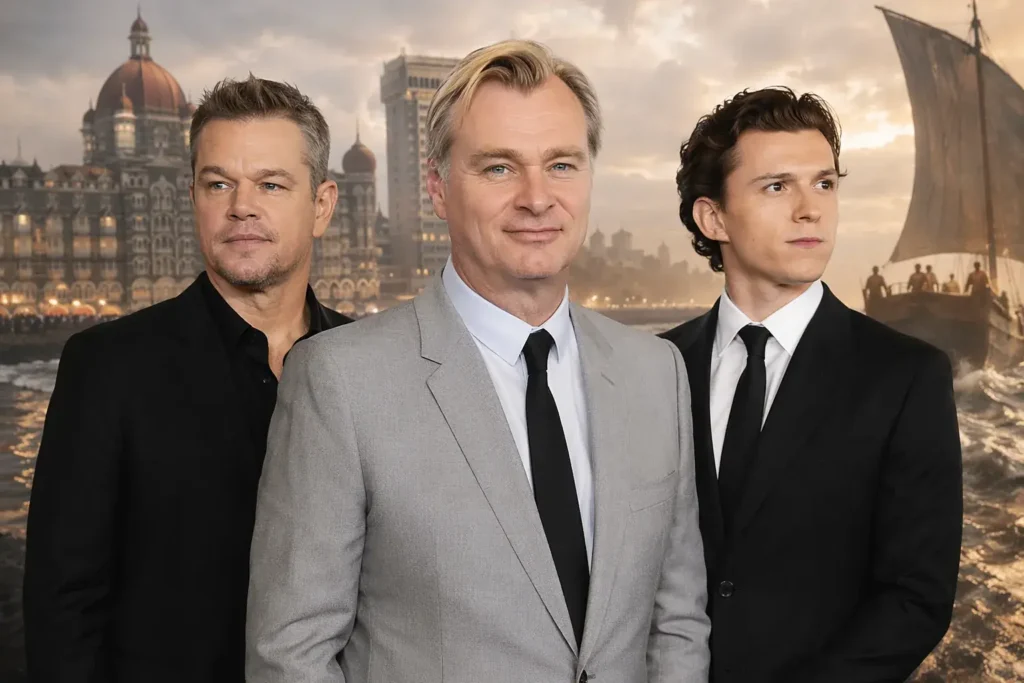
Speaking to reporters during a promotional stop in Paris, Nolan drew a sharp contrast between the industry’s executive suite and the ticket-paying public. Indeed, even as Wall Street, tech companies and the heads of major studios continue to pump billions into AI, the director says audiences are already showing deep fatigue. In particular, Nolan cited the emergence of “AI slop,” a term coined online to describe the glut of algorithmic images, videos and texts that consumers are increasingly dismissing as culturally bankrupt and soulless.
“There are practical uses of machine learning algorithms in early-stage pre-visualization and concept art, but the idea that they could ever replace writers, directors or actors is a ‘corporate fantasy,’ asserts the Oppenheimer filmmaker. To imagine a cinema that has no human agency at all, Nolan argues, is to misunderstand art’s relationship to its audience.
Hollywood’s Existential Anxiety
This is hardly Nolan’s first shot across the bow. In the lead-up to the release of Oppenheimer, he infamously compared the AI boom to the dawn of the nuclear age, describing both as disruptive, possibly dangerous technologies that require strong corporate regulation and ethical protections. “I don’t think the problem is the software itself,” said Nolan. “It’s how it’s going to be used by executives.” From his point of view, studios can’t hide behind AI to duck responsibility for creative choices or to dehumanize the work of human creatives.
The comments come at a very sensitive time for the industry. Indeed, the threat of digital doubles and algorithmic writing was the key front of the historic joint WGA and SAG-AFTRA strikes that effectively shut down the entertainment industry.
Tuning Out the Internet Noise
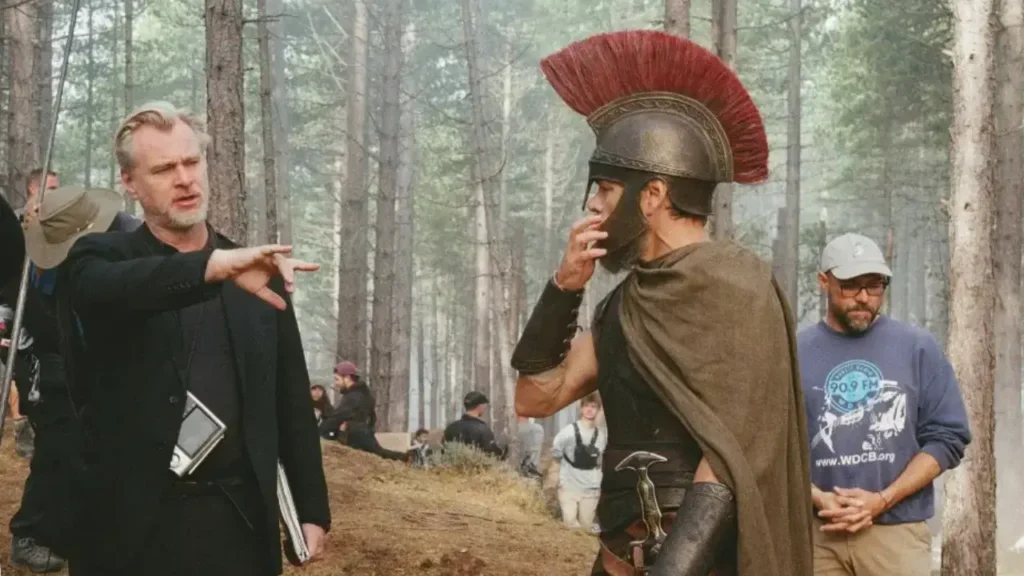
Right now, Nolan’s immediate focus is on The Odyssey, an epic and complex shoot that is taking place entirely on location around the Mediterranean. The blockbuster boasts a stacked ensemble cast, including Matt Damon as Odysseus and Zendaya, Tom Holland, Robert Pattinson, Anne Hathaway and Lupita Nyong’o. But the production hasn’t been immune to modern internet cynicism, with online fan circles taking a critical eye on some of the high-profile casting choices in the film.
Nolan, though, brushes off pre-release skepticism with the equanimity of a veteran filmmaker who has been through this script before. Nolan said every major intellectual property has a chorus of voices online, recalling the intense fan backlash that first greeted his casting decisions in The Dark Knight trilogy. The director’s job, he decided, was to ignore the chatter, respect the source material and trust the vision.
Source: The Guardian